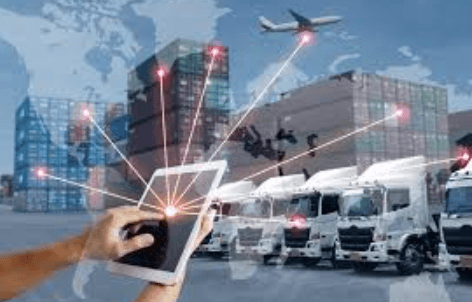
The Future of Smart Technology in Logistics Management
Smart technology is reshaping logistics through integrated analytics, sensing, and autonomous systems. AI forecasting and real-time visibility enable proactive routing and capacity planning. Autonomous movers and IoT-driven asset management promise streamlined operations and reduced cycle times. Strong data security, ethics, and transparent collaboration underpin auditable trust across networks. As these elements converge, decision-makers must assess resilience, governance, and ROI to determine how best to scale in complex, cross-platform ecosystems. The implications extend beyond efficiency, inviting careful strategic scrutiny.
What Smart Tech Is Elevating Logistics Today
Today, a convergence of advanced analytics, sensing technologies, and autonomous systems is redefining logistics operations by turning data into actionable insight. Smart tech currently elevates efficiency through real-time tracking, predictive maintenance, and autonomous handling. It supports sustainability metrics and supplier integration, aligning networks with transparent performance. The approach is strategic, data-driven, and freedom-minded, empowering decisions that optimize flow while reducing waste and delay.
AI Forecasting and Real-Time Visibility: The Proactive Edge
AI forecasting and real-time visibility constitute the proactive edge in logistics, harnessing advanced analytics and sensor data to anticipate disruptions, optimize routes, and synchronize supply networks.
The approach emphasizes transparent data ethics, balanced risk, and privacy.
Autonomous Movers and IoT: Transforming Operations
Autonomous movers and the Internet of Things (IoT) are converging to redefine operational efficiency in logistics, enabling self-driving vehicles, automated sorting, and sensor-driven asset management across warehouses and fleets.
The vision centers on scalable networks, real-time analytics, and adaptive workflows, leveraging autonomous movers and IoT data to reduce cycle times, elevate accuracy, and empower leadership with transparent, data-driven decision making.
internet of things data security, ethics.
Data Security, Ethics, and Collaboration in Next-Gen Logistics
Data security, ethics, and collaboration will anchor the next generation of logistics, where trusted data flows across autonomous systems, IoT sensors, and cloud platforms to enable precise, synchronized operations.
The article emphasizes data security and ethics as core governance pillars, guiding transparent collaboration among stakeholders, ensuring compliant governance, secure data sharing, and resilient networks that empower freedom through responsible, strategic innovation and auditable trust.
Frequently Asked Questions
How Will Customer Privacy Be Protected With Pervasive Tracking Technologies?
Privacy safeguards will balance transparency and utility, employing data minimization and privacy by design; consent management ensures user control, while adaptive safeguards respond to risk, enabling freedom for customers within pervasive tracking ecosystems.
What Upfront Costs and ROI Timelines Accompany Smart Logistics Implementations?
“Time is money,” notes the analyst: upfront costs vary by scope, yet roi timelines emerge from improved visibility and automation; smart logistics requires disciplined investment, strategic milestones, and data-driven KPIs, empowering leaders to pursue freedom through scalable efficiency.
See also: What Are Tokenized Assets in Blockchain?
Which Emerging Regions Will Adopt Smart Logistics Fastest and Why?
Emerging regions will exhibit rapid adoption due to expanding digital infrastructure and favorable trade links; however regulatory hurdles and data sovereignty concerns shape pace and scope, guiding strategic investments toward scalable, compliant smart logistics ecosystems powered by data-driven insights.
How Will Labor Roles Evolve as Automation Increases in Warehouses?
Automation redefines labor roles; the labor shift prioritizes higher-skilled tasks, while routine work declines. Organizations pursue skills retraining to empower workers, enabling strategic flexibility; thus, daily autonomy grows as data-driven systems expand efficiency and freedom in operations.
What Standardization Is Needed for Interoperability Across Suppliers?
Standardization gaps hinder seamless interoperability across suppliers; establishing universal interoperability standards becomes essential for agile networks. Data-driven benchmarks reveal gaps, guiding strategic investments and governance to empower freedom-focused ecosystems with scalable, cross-vendor collaboration and measurable outcomes.
Conclusion
The future of logistics hinges on integrating analytics, sensing, and autonomous systems to create a resilient, transparent network. Real-time visibility paired with AI forecasting reduces risk and cycle times, while IoT-enabled assets and autonomous movers elevate operational precision. Strong data security and collaborative governance sustain auditable trust across ecosystems. This data-driven, strategic convergence acts as a compass for decision makers, guiding nimble adaptations with confidence—like a lighthouse slicing through dense fog toward sustainable, freedom-minded outcomes.